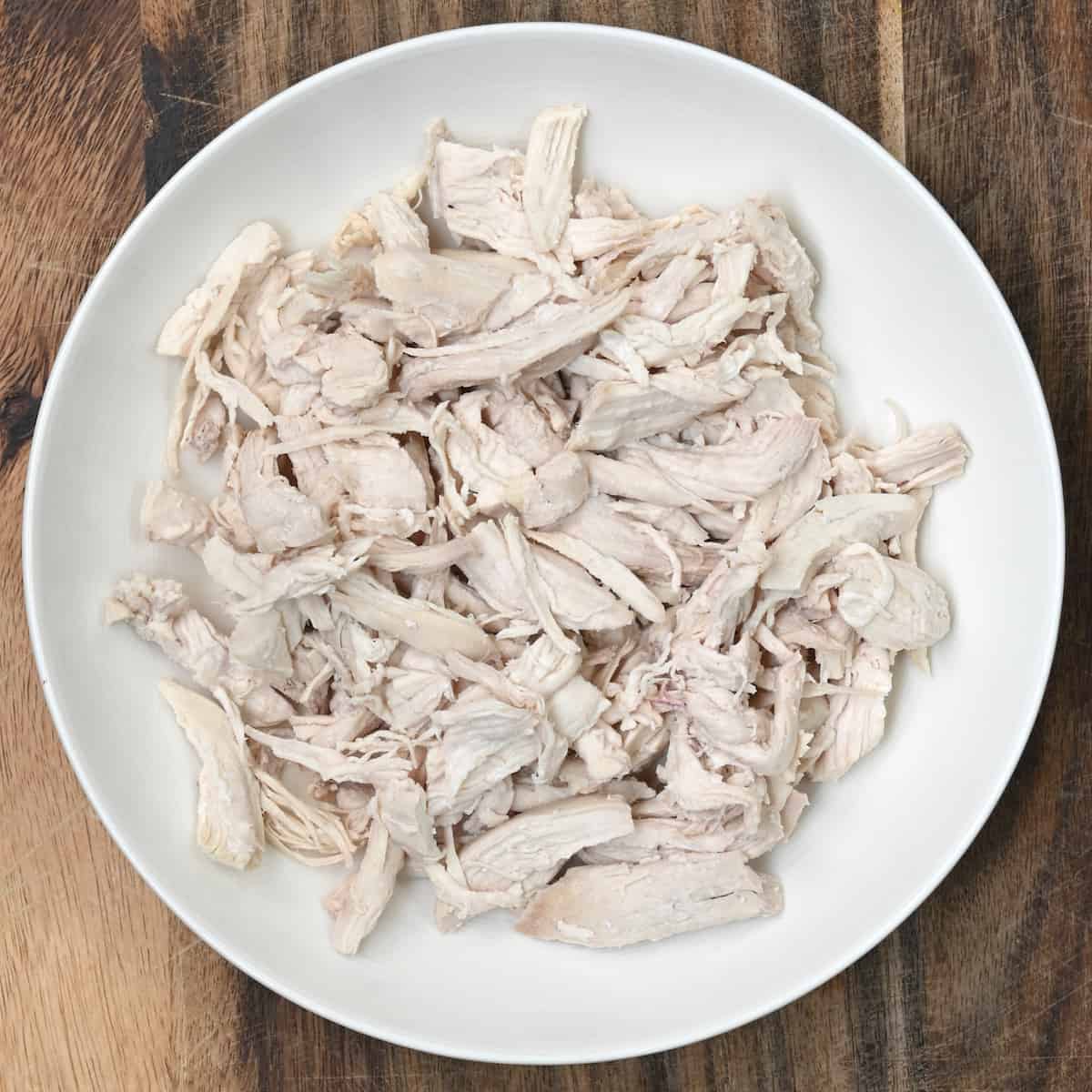
Achieve Juicy, Smell-Free Boiled Chicken with This Method
For many home cooks, the idea of boiling chicken breasts conjures images of rubbery texture and an unappetizing aroma. Yet, mastering the art of boiling chicken is a fundamental kitchen skill, yielding incredibly tender, juicy, and versatile protein that can elevate countless dishes. The secret lies not just in the cooking time, but in a smart approach that transforms bland, odoriferous chicken into a delightful culinary staple. If you've been searching for a foolproof **how to boil chicken breasts smell free method**, you've come to the right place. This comprehensive guide will equip you with the knowledge and techniques to consistently achieve perfectly cooked chicken, ready for all your meal prep needs.
Why Master the Art of Boiled Chicken?
Far from being a last resort for overcooked chicken, a properly boiled chicken breast is a powerhouse of culinary potential. It's often referred to as "poaching" when done gently, a technique cherished by chefs for its ability to keep delicate proteins moist.
*
Meal Prep MVP: Boiled chicken is the ultimate protein for meal prepping. Cook a large batch, and you have healthy, lean protein ready to be sliced or shredded for days, saving you precious time during busy weeknights.
*
Healthy and Versatile: Low in fat and rich in protein, it's an excellent addition to salads, soups, sandwiches, wraps, tacos, enchiladas, and casseroles. Its mild flavor profile makes it a chameleon, soaking up the flavors of whatever dish you add it to.
*
Budget-Friendly: Chicken breasts are often an economical protein choice, and boiling them utilizes simple, inexpensive pantry staples, making it a cost-effective way to feed your family.
*
Combating the "Smell" and "Dryness" Myths: The primary concerns with boiled chicken – an off-putting aroma and a dry texture – are easily overcome with the right method. Our technique focuses on infusing flavor and maintaining moisture, effectively debunking these common misconceptions.
Essential Ingredients for Smell-Free Success
While boiling chicken seems straightforward, the ingredients you choose and how you use them play a critical role in preventing that undesirable "boiled chicken smell" and ensuring maximum juiciness.
*
Chicken Breasts: Opt for boneless, skinless chicken breast halves. Whether fresh or thawed from frozen, similar sizes are key to even cooking. While this method can adapt to bone-in chicken, adjust the cooking time significantly (up to 25-30 minutes). For superior results and easier handling, we recommend boneless, skinless.
*
Water (or Broth): Regular cold water is perfectly fine and what we'll mostly use. However, for an immediate flavor boost, especially if you're not adding many aromatics, chicken broth is an excellent alternative. The richer liquid will impart more taste directly into the meat.
*
Salt: This is non-negotiable. Salt not only seasons the chicken from the inside out but also helps tenderize the meat and enhances its natural flavor. Think of it as a quick brine within the cooking process itself. Don't be shy; a good pinch or two per quart of water is appropriate.
*
Aromatics and Seasonings: These are your secret weapons against the dreaded boiled chicken smell and your allies in building incredible flavor. They work by infusing the cooking liquid and chicken with their own appealing aromas, masking or neutralizing any less desirable notes that might arise from the chicken itself.
*
Bay Leaves: A classic for a reason, bay leaves add a subtle, herbaceous depth.
*
Whole Peppercorns: Contribute a gentle, spicy warmth without overpowering.
*
Lemon Peel: The zest of a lemon (or even a few lemon slices) provides bright, clean notes that cut through any potential richness and deliver a fresh aroma.
*
Fresh Ginger: Sliced ginger roots add a warm, slightly peppery, and incredibly aromatic quality that is excellent at neutralizing odors.
*
Onion & Garlic: A quartered onion and a few smashed garlic cloves are powerful flavor enhancers and odor neutralizers.
*
Fresh Herbs: Sprigs of thyme, rosemary, or parsley stalks (especially the woody parts) add wonderful garden-freshness.
*
Vegetable Scraps: Carrots, celery, or leek ends can also contribute to a richer, more aromatic poaching liquid.
The Step-by-Step Smell-Free Boiling Method
Achieving succulent, odor-free boiled chicken is a precise yet simple process. Follow these steps for consistently perfect results:
1.
Prepare Your Chicken and Pot: If your chicken breasts are very thick, you might consider pounding them lightly to an even thickness (about 1 inch) to ensure uniform cooking. Pat the chicken dry with paper towels. Place your boneless, skinless chicken breasts in a large, heavy-based saucepan or Dutch oven. Ensure there's enough room for them to be fully submerged without crowding the pot. Add your chosen aromatics and seasonings now – this allows their flavors to infuse the liquid from the start.
2.
Submerge in Cold Water: Crucially, cover the chicken completely with *cold* water (or broth). Using cold water allows the chicken to heat up gradually with the liquid, preventing the muscle fibers from seizing up too quickly, which can lead to tough chicken. It also encourages a more even cook and gives the aromatics more time to work their magic.
3.
Bring to a Gentle Boil: Place the pot over medium-high heat and bring the water to a boil. Watch it carefully. As it heats, you might notice a layer of foamy "scum" or impurities rising to the surface.
4.
Skim the Scum (The Odor-Reducing Secret): This step is vital for a clear broth and, more importantly, for a cleaner, smell-free result. Using a slotted spoon or skimmer, diligently skim off any foam or impurities that collect on the surface. These impurities can contribute to less desirable aromas and cloudiness. Continue skimming until the surface is relatively clear. This boiling process, combined with the aromatics, actively works to minimize any strong odors, establishing this as a genuinely
Easy Stovetop Guide: Perfect, Odor-Free Boiled Chicken Breast.
5.
Reduce to a Simmer and Cook: Once the water has come to a full boil and you've skimmed the impurities, immediately reduce the heat to a gentle simmer. The water should be barely bubbling. Cover the pot with a lid. Simmer boneless chicken breast halves for 8-15 minutes, depending on their size and thickness. Smaller breasts might be done in 8 minutes, while larger ones could take up to 15.
6.
Check for Doneness: The only sure way to guarantee perfectly cooked, juicy chicken (and avoid undercooking or overcooking) is to use an instant-read meat thermometer. Insert it into the thickest part of the largest breast. The internal temperature should register between 160-165ºF (71-74ºC). Don't worry about the 165ºF recommendation; residual heat will carry it to the safe temperature as it rests.
7.
Rest for Juiciness: Once cooked, remove the chicken breasts from the pot and place them on a cutting board. Crucially, allow them to rest for at least 10 minutes (15 minutes is even better). This resting period allows the muscle fibers to relax and the juices to redistribute throughout the meat, ensuring every bite is moist and tender. Skipping this step is a common mistake that leads to dry chicken.
8.
Carve or Shred and Enjoy: Once rested, carve or shred the chicken to your liking. You can slice it against the grain, dice it, or shred it using two forks, a hand mixer, or even a stand mixer for large batches. The chicken is now ready for immediate use in your favorite recipes!
Advanced Tips for Next-Level Boiled Chicken
Beyond the basic method, here are some insights to truly elevate your boiled chicken game:
*
The Power of Brining: For the absolute juiciest and most flavorful chicken, consider a quick brine before boiling. A simple brine of 1/4 cup salt dissolved in 4 cups of cold water can work wonders. Submerge the chicken for 15-30 minutes, then rinse thoroughly before boiling. This pre-treatment helps the chicken retain moisture and enhances tenderness.
*
Beyond Water: Creative Cooking Liquids: While water and broth are standard, don't limit yourself!
*
White Wine: A splash of dry white wine can add sophisticated depth.
*
Coconut Milk: For an exotic twist, especially if using the chicken in curries or Thai-inspired dishes.
*
Tea: Brewing green tea or black tea as your poaching liquid can impart subtle, earthy notes.
*
Flavor Variations for Specific Cuisines: Tailor your aromatics to the end dish.
*
Mediterranean: Add oregano, basil, and a bay leaf.
*
Asian: Incorporate star anise, soy sauce, and a dash of rice vinegar.
*
Mexican: Use cumin seeds, dried oregano, and a slice of jalapeño.
*
Dealing with Frozen Chicken: While it's always best to thaw chicken breasts completely before boiling for even cooking, if you're in a pinch, you can boil them from frozen. Increase the cooking time significantly (by about 50%) and still ensure the internal temperature reaches 165°F (74°C). However, the texture might not be as consistently tender.
*
Don't Waste the Broth: The flavorful liquid left in the pot after boiling your chicken is liquid gold! Strain out the aromatics, and you have a ready-made, homemade chicken broth perfect for soups, gravies, or risottos. This is truly a
Versatile Meal Prep: How to Boil Chicken Breast Smell-Free.
Storing Your Perfectly Boiled Chicken
Once you've mastered the **how to boil chicken breasts smell free method**, proper storage is key to extending its life and ensuring food safety.
*
Cooling Correctly: After resting, allow the chicken to cool completely at room temperature, but no longer than 2 hours, to prevent bacterial growth.
*
Fridge Storage: Once cooled, transfer the chicken (whole, sliced, or shredded) to an airtight container. It will stay fresh in the refrigerator for 3-4 days. This makes it ideal for weekly meal prep.
*
Freezer Storage: Boiled chicken freezes beautifully for longer storage.
*
Whole or Sliced: Wrap individual pieces tightly in plastic wrap, then place them in a freezer-safe bag or container.
*
Shredded: Pack shredded chicken into freezer-safe bags, pressing out as much air as possible to prevent freezer burn. You can even freeze it in portion sizes for convenience.
Properly stored, boiled chicken can last in the freezer for 2-3 months. Thaw overnight in the refrigerator before using.
With this detailed guide, the days of dry, unappetizing boiled chicken are behind you. Embrace this simple yet powerful **how to boil chicken breasts smell free method** and unlock a world of delicious, healthy, and convenient meal possibilities. Happy cooking!