Unlock Culinary Versatility: The Ultimate Guide on How to Boil Chicken Breasts Smell-Free
Meal preparation is a cornerstone of healthy eating and efficient kitchen management. Among the most popular proteins for meal prep, chicken breast stands out for its leanness and adaptability. However, many home cooks shy away from boiling chicken, fearing a bland taste and, more notably, an unpleasant "boiled chicken smell" that can permeate the kitchen. What if we told you there's a simple, reliable method to prepare perfectly tender, juicy chicken breasts without any off-putting odors? This comprehensive guide will reveal the secrets to boiling chicken breasts using a smell-free method, transforming a humble ingredient into a versatile culinary canvas.
Whether you're new to cooking or a seasoned chef looking for a foolproof technique, mastering how to boil chicken breasts smell free method is a game-changer. Forget dry, rubbery chicken; this approach promises succulent results every time, ready to be shredded or sliced into an endless array of dishes, from vibrant salads and hearty soups to savory tacos and nourishing grain bowls. It’s a foundational skill that opens up a world of healthy, budget-friendly meal possibilities.
Why Boiling Chicken Breast is Your Meal Prep Superpower
While slow cookers and Instant Pots offer fantastic ways to prepare chicken, the stovetop boiling method (often referred to as poaching) remains an essential and accessible technique. It requires minimal equipment – just a heavy-based saucepan and a few pantry staples – making it ideal for any kitchen. Beyond its simplicity, boiled chicken breast offers significant advantages:
- Healthy & Lean: Boiled chicken is inherently low in fat, making it an excellent choice for health-conscious diets. No added oils or butters are needed.
- Budget-Friendly: Chicken breasts are often sold in larger packs, and boiling allows you to cook a batch efficiently, saving time and money throughout the week.
- Incredibly Versatile: Once cooked, plain boiled chicken is a blank slate. It readily absorbs the flavors of accompanying ingredients, making it perfect for diverse cuisines.
- Time-Saving: The hands-on time is minimal, allowing you to focus on other tasks while your chicken gently simmers to perfection.
Many perceive boiled chicken as bland, but with the right approach and the incorporation of key aromatics, it can be incredibly flavorful. Our focus here is not just on cooking chicken, but on cooking *delicious*, odor-free chicken.
The Smell-Free, Juicy Method: Ingredients and Steps
The secret to achieving tender, juicy chicken breasts without any unpleasant aroma lies in a combination of simple ingredients and a precise cooking technique. The "smell-free" aspect isn't magic; it's about actively countering potential odors with fresh aromatics and proper cooking practices.
Essential Ingredients: Beyond Just Water and Chicken
To truly master how to boil chicken breasts smell free method, you'll need more than just chicken and water. These additions play a crucial role in both flavor and odor elimination:
- Boneless, Skinless Chicken Breasts: Opt for similar-sized pieces to ensure even cooking. Fresh is ideal, but thawed frozen breasts work just as well. For bone-in, skin-on breasts, adjust cooking time (typically 25-30 minutes), and note that they may impart a slightly richer flavor.
- Cold Water: Always start with cold water. This allows the chicken to heat up gradually with the water, promoting more even cooking and preventing the exterior from drying out before the interior is done. It also helps to create a clearer, cleaner broth.
- Salt: Essential for seasoning the water and, by extension, the chicken itself. Salt helps to tenderize the meat and enhances its natural flavor. Don't skip this!
- Aromatics & Seasonings (The Smell-Fighting Heroes): This is where the "smell-free" magic truly happens. These ingredients infuse the chicken with delicate flavors and actively neutralize any gamey or strong odors that might arise during cooking. Get creative, but some excellent choices include:
- Bay Leaves: Offer a subtle, herbaceous note.
- Whole Peppercorns: Add a mild, warm spice.
- Lemon Peel (or a few slices): Brightens the flavor and is highly effective at neutralizing odors.
- Fresh Ginger Slices: Imparts a warm, pungent aroma that combats stronger smells.
- Garlic Cloves (smashed): Adds depth and savory notes.
- Onion Wedges: A classic aromatic base that contributes sweetness and complexity.
- Fresh Herbs: Parsley stems, thyme sprigs, or a rosemary sprig can add wonderful fragrance.
Step-by-Step Guide for Odor-Free, Juicy Boiled Chicken
Follow these fuss-free steps to achieve perfectly cooked, smell-free chicken every time:
- Prepare Your Pot and Ingredients: Place your chicken breasts in a large, heavy-based saucepan. Heavy-based pots distribute heat more evenly, preventing hot spots and ensuring consistent cooking. Add all your chosen aromatics and seasonings around the chicken.
- Submerge with Cold Water: Pour enough cold water into the pot to fully cover the chicken breasts by at least an inch. Starting with cold water is crucial for a gradual and even cook, preventing the chicken from becoming tough or dry.
- Bring to a Gentle Boil: Place the pot on medium-high heat and bring the water to a boil. As the water heats up, you might notice a layer of foamy "scum" rising to the surface.
- Skim the Scum: Once the water begins to boil, use a spoon or skimmer to carefully remove this layer of scum. This step is not just for aesthetics; skimming off these impurities significantly contributes to a cleaner, clearer broth and helps in eliminating any undesirable odors. This is a critical part of the easy stovetop guide: perfect, odor-free boiled chicken breast.
- Reduce Heat and Simmer: As soon as the water reaches a rolling boil and you've skimmed the scum, immediately reduce the heat to a low simmer. The water should be just barely bubbling.
- Cover and Cook: Cover the pot with a lid. Simmer boneless, skinless chicken breasts for 8-15 minutes. The exact cooking time will depend entirely on the thickness and size of your chicken breasts. Thinner breasts will cook faster, while thicker ones will require more time.
- Check for Doneness: The most reliable way to ensure your chicken is perfectly cooked (and safe to eat) without overcooking is to use a meat thermometer. Insert it into the thickest part of the chicken breast; it should register an internal temperature of 160-165°F (71-74°C). If it hasn't reached this temperature, continue simmering for a few more minutes and re-check.
- Rest the Chicken: Once cooked, carefully remove the chicken breasts from the pot and place them on a cutting board. Allow them to rest for at least 10 minutes. This resting period is vital! It allows the juices to redistribute throughout the meat, ensuring a tender, moist, and flavorful result. Skipping this step often leads to dry chicken, even if it was cooked perfectly.
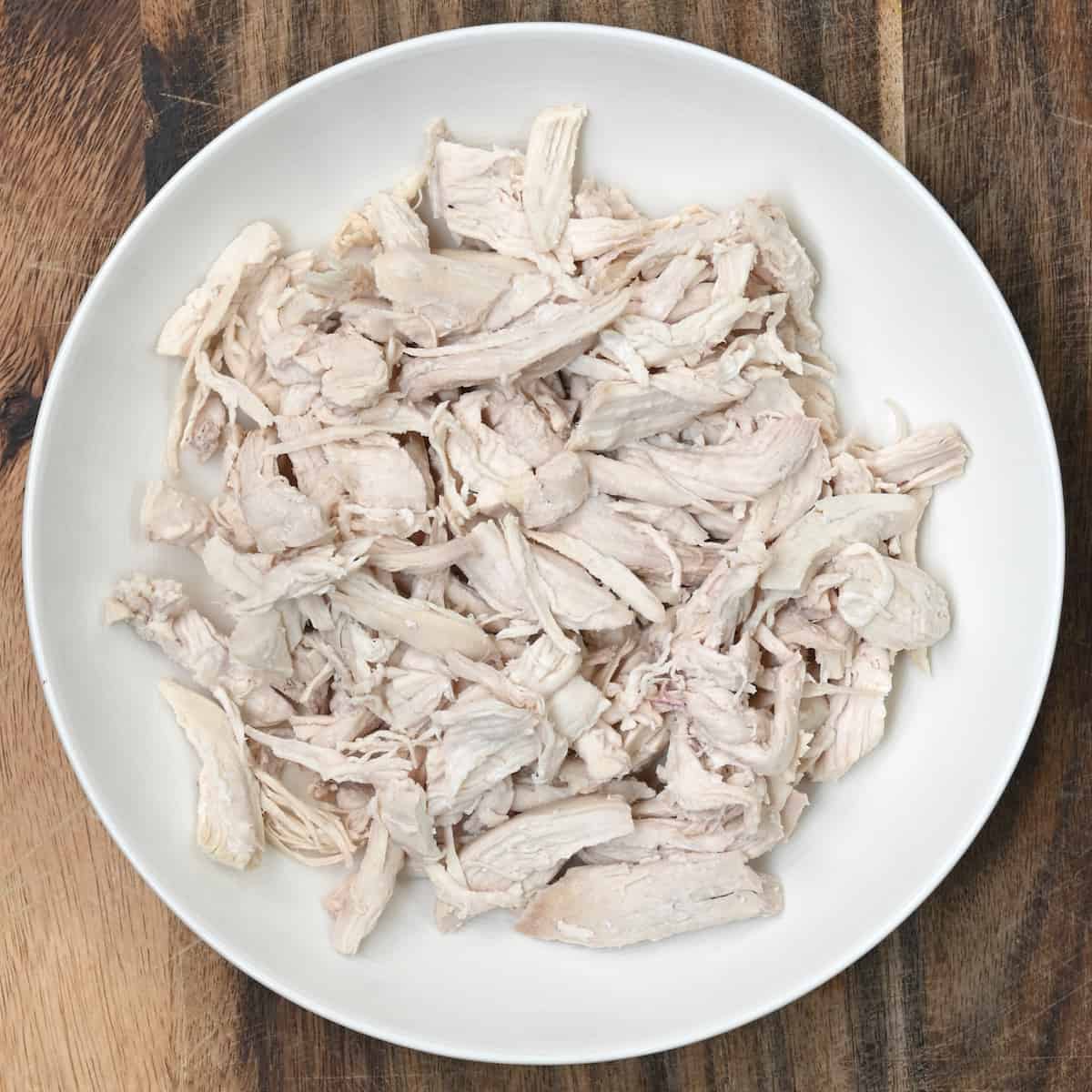
- Shred or Slice: After resting, carve, slice, or shred the chicken to your liking. You can easily shred it with two forks, by hand, or for larger batches, a stand mixer or hand mixer can make quick work of it.
Maximizing Flavor and Versatility: Beyond the Boil
Now that you've mastered how to boil chicken breasts smell free method, you have a protein powerhouse ready for action. Here are just a few ideas to leverage its versatility:
- Salads & Grain Bowls: Cube or shred for a healthy protein boost in any salad or grain bowl.
- Sandwiches & Wraps: Create delicious chicken salad with mayo or yogurt, or simply layer sliced chicken with your favorite fillings.
- Soups & Stews: Add shredded chicken to chicken noodle soup, tortilla soup, or creamy chicken and vegetable stews.
- Mexican-Inspired Dishes: The tender chicken is perfect for tacos, burritos, quesadillas, and enchiladas. Season it with cumin, chili powder, and lime juice for an authentic flavor.
- Casseroles & Pasta Dishes: Integrate into creamy casseroles or add to pasta sauces for a complete meal.
- Dips: Use finely shredded chicken in savory dips like buffalo chicken dip.
- Broth Utilization: Don't discard the flavorful poaching liquid! Strain it and use it as a nourishing chicken broth for soups, risottos, or to cook grains. It will be much cleaner and more aromatic thanks to your chosen seasonings and the skimming process.
Storage and Freezing for Ultimate Convenience
Boiling chicken in batches is excellent for meal prep, and proper storage ensures its freshness and safety:
- Refrigeration: Allow the cooked chicken to cool completely (but ensure it doesn't sit at room temperature for more than 2 hours to prevent bacterial growth). Store it in an airtight container in the refrigerator for 3-4 days.
- Freezing: Boiled chicken breasts freeze beautifully. You can freeze them whole, sliced, or shredded. Portion the chicken into freezer-safe bags or containers, removing as much air as possible. Label with the date. Frozen boiled chicken will maintain its quality for up to 2-3 months. Thaw in the refrigerator overnight before use.
Troubleshooting Common Boiled Chicken Issues
Even with the best method, sometimes questions arise. Here are quick solutions to common concerns:
- My chicken is dry! This almost always means it was overcooked. Use a meat thermometer to pull the chicken off the heat promptly at 160-165°F (71-74°C). Also, ensure you let it rest for the full 10 minutes.
- I still smell a slight odor. Double-check that you're using enough potent aromatics like lemon peel, ginger, garlic, or onion. Ensure you're starting with cold water and thoroughly skimming the scum. Freshness of chicken can also play a role; very old chicken might have a stronger inherent smell.
- My chicken is bland. While boiled chicken is often a canvas, ensure you're adequately salting the water and liberally using aromatics. You can also marinate the chicken briefly before boiling for an extra flavor boost.
Conclusion
Mastering how to boil chicken breasts smell free method is a valuable addition to any home cook's repertoire. It dispels the myth that boiled chicken must be bland or smelly, instead offering a path to perfectly tender, juicy, and flavorful protein ideal for countless culinary applications. By following our detailed guide – focusing on quality ingredients, strategic aromatics, careful temperature control, and the all-important resting period – you can confidently prepare batches of delicious chicken that will streamline your meal prep, inspire your cooking, and delight your taste buds. Embrace the versatility, health benefits, and sheer convenience of perfectly boiled chicken, and say goodbye to unwanted kitchen odors forever.
